Skip to content

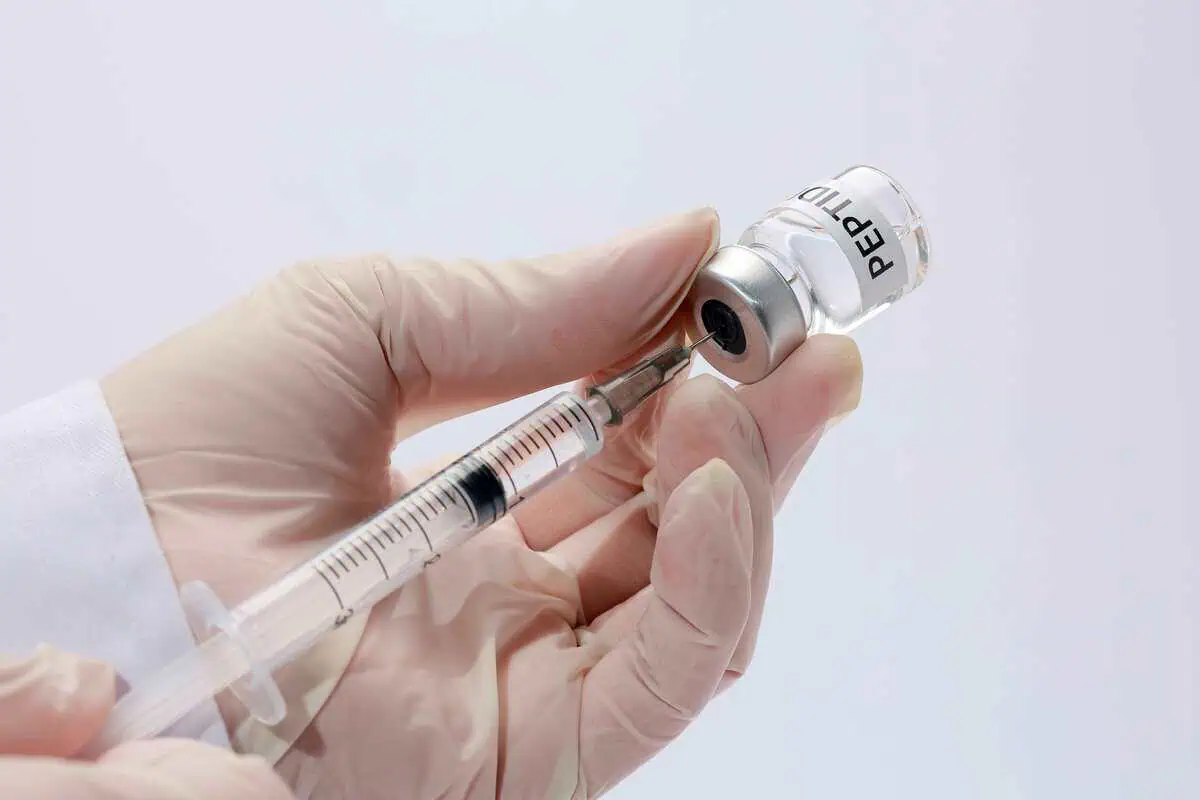
Enthusiasm for peptide therapy online is enormous, but clear information is scarce. One article promises faster recovery, the next says the FDA has not approved any of it. Both can be true, which is what makes this decision hard.
Here is the short answer. Peptide therapy may support recovery, metabolism, hormone signaling, and skin quality, but most peptides are investigational rather than FDA-approved, so start only after a supervised consultation and supporting lab work. At Permian Basin Med Spa & Aesthetics Center, we have that conversation before we recommend any peptide, not after.
How do I know if peptide therapy is a good idea?
Start with a provider and bloodwork rather than a product. Peptides are cell-signaling messengers that some patients explore for recovery, metabolism, or skin quality, though most lack FDA approval and have limited human research. A supervised evaluation, including your health history and labs, typically determines whether this is reasonable for you.
What Peptide Therapy Actually Is
Peptides are short chains of amino acids your body already uses as messengers between cells. One tells a cell to divide, another tells a gland to release a hormone, another signals damaged tissue to rebuild. Peptide therapy treatment works within that same system, introducing a signal your body may produce less of with age, or one it never produced at all.
Understand early that peptide therapy is a category, not a single treatment. Each peptide has its evidence base and regulatory status, so blanket statements about safety mean little. Peptides also fall into two broad groups. Some prompt your body to produce more of something on its own, such as growth hormone secretagogues like Sermorelin and Ipamorelin. Others act more directly on tissue or cellular processes.
The Benefits Patients Most Often Discuss With a Provider
Conversations about peptide therapy benefits cluster around four goals: tissue repair and recovery, metabolic and cellular energy, growth hormone signaling, and skin quality. Certain peptides come up by name within those goals. Patients most often ask about BPC-157 and TB-500 when recovery from injury or heavy training is the concern. MOTS-c and NAD+ come up when the interest is cellular energy. GHK-Cu, a copper peptide naturally present in human plasma, comes up in conversations about skin quality and collagen.
These peptides have drawn research interest in those areas, which is not the same as proven outcomes in humans. A provider’s job is to match a goal against what your labs actually show, which is why two patients with similar goals rarely leave with the same plan.
What the Research Does and Does Not Show Yet
Most of the research people cite for peptides comes from laboratory and animal studies, not large human trials. Long-term effects are not well characterized, optimal dosing is not firmly established, and there is little comparison between peptides aimed at the same goal.
Tesamorelin makes a useful contrast. It is the one peptide commonly offered in wellness settings with a defined FDA approval, specifically for reducing excess abdominal fat in adults with HIV-associated lipodystrophy. Any other use falls outside that approval. Once you see how narrow a real approval is, the rest of the field is easier to read honestly.
The Risks Worth Understanding Before You Start
Regulatory and Approval Status
Most peptides used in wellness settings are not FDA-approved for the uses patients ask about. BPC-157, TB-500, GHK-Cu, MOTS-c, Ipamorelin, and CJC-1295 hold no FDA approval for any indication, and Sermorelin’s older approval was withdrawn in 2009. This status shifts. In April 2026, the FDA removed several peptides from a restricted compounding category, and an advisory committee took up others in July 2026. Ask where a specific peptide stands today. A provider should be able to tell you.
Product Sourcing and Quality
Peptides bought from unregulated online vendors offer no guarantee of purity, potency, or sterility. “Research use only” labeling is not a workaround. It means the product was never intended for human use, and ordering it means injecting something unverified with no one monitoring you.
Physical Side Effects and Monitoring
Possible peptide therapy side effects include injection site reactions, water retention, fatigue, headache, and changes in appetite or blood sugar. Most reported effects are mild, but individual responses vary, and growth hormone signaling peptides are not a set-and-forget protocol. They call for follow-up lab work.
Who Is and Is Not a Good Candidate
Good candidates tend to be adults with a specific goal, a willingness to do bloodwork, and realistic expectations. Peptides are generally not appropriate during pregnancy or breastfeeding, for people with active or recent cancer, or for certain endocrine conditions.
One honest caveat matters more than the rest. Peptides support a foundation; they don’t replace it. If sleep, nutrition, and training aren’t in place, the signal has little to work with. Candidacy is a clinical judgment, and it takes someone looking at your labs to make it.
What a Responsible Evaluation Looks Like
A responsible starting process follows the same order every time: health history and medication review, then bloodwork, then a plan based on the labs, then ongoing check-ins so the plan can be adjusted. That sequence separates supervised care from an online product and is what peptide therapy Midland TX patients should expect. It also shapes how peptide therapy is evaluated and monitored in Midland.
Three questions are worth asking. Is this peptide FDA-approved for my use, or is it investigational? Where is it sourced, and can you show me that? What will you monitor, and how often? A provider who cannot answer clearly has already given you your answer. You can contact us if you want to ask those three questions directly; that is a fair way to start.
Still Deciding? That Is the Right Place to Start
Being unsure about Peptide Therapy in Midland, TX is a reasonable response to a field still being defined. Peptides may support recovery, metabolism, hormone signaling, and skin quality; most are investigational rather than FDA-approved, and the only way to know whether any apply to you is through bloodwork and a provider willing to say so plainly.
The next reasonable step is not committing to a protocol. It is a single conversation in which someone reviews your history, explains which peptides are approved and which are not, and tells you whether your labs support exploring this. A good provider will tell you no when that’s the right answer.
Schedule a consultation with Permian Basin Med Spa to discuss the potential benefits and risks of peptide therapy.